 Selnovix
Idle and stranded plants
Gas-fired plants that stopped running when fuel supply or tariffs no longer worked.
We source and assess gas turbines and generation assets for acquisition, refurbishment and redeployment, with a special focus on older and idle units that can return to service sooner than new equipment. Each unit is evaluated against the requirements of its next project.
What we inspect
What we commonly find
What we inspect
What we commonly find
What we inspect
What we commonly find
What we inspect
What we commonly find
What we inspect
What we commonly find
What we inspect
What we commonly find
Many capable turbines are sitting unused: in plants that lost their fuel supply, in units held in long-term preservation and at sites being retired or sold. While new units carry long manufacturing lead times, a well-documented older turbine can be the faster route to firm power.
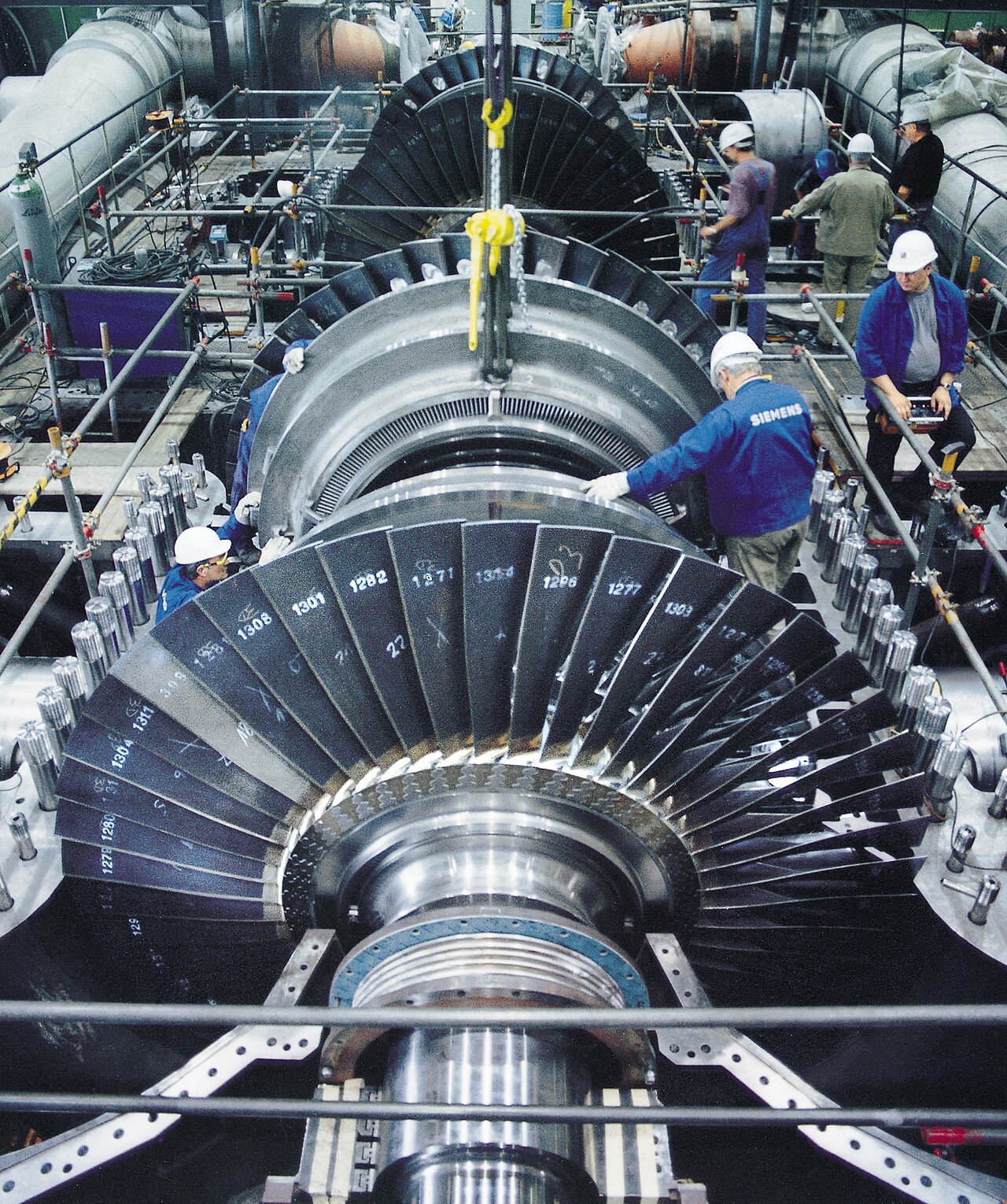
We look wherever reliable generation equipment sits unused, including India’s idle gas-based plants and international markets.

Gas-fired plants that stopped running when fuel supply or tariffs no longer worked.
Turbines held in long-term preservation, with layup and maintenance records.
Units released as owners retire, repower or restructure their fleets.
Equipment offered through lender-led, court-supervised or auction processes.
Uninstalled units, spare engines and packages from fleets and projects.
Gas turbines with heat-recovery steam generators and steam turbines, as blocks or components.
One unit’s path through redeployment, stage by stage: typically 12–24 months, against about five years for a new heavy-duty unit.
We find the unit through owners, lenders and asset sales, then screen its model, hours, starts and preservation records before anyone travels.
Walkdown, borescope inspection and generator tests by qualified specialists establish the unit’s real condition.
Scope of supply, title, removal rights, price and conditions are settled before any dismantling starts.
The package is preserved, match-marked and broken into shippable modules, with every item logged.
Route surveys, port handling and heavy-lift shipping move each module to the overhaul shop or the new site.
Hot-gas-path or major inspection, parts replacement and controls updates set the unit’s performance and remaining life for its new duty.
Foundations, electrical and fuel tie-ins, first fire and performance testing, with site works running alongside the overhaul.
Share the required output, frequency, operating duty, destination and target delivery date.
Submit equipment requirementsShare the equipment, location, ownership position and available records. We welcome approaches from owners, operators, lenders and authorised representatives. Check your unit’s readiness first.
Offer an assetIndividual units and associated equipment assessed against the required application.
Gas turbines, heat-recovery steam generators, steam turbines and balance-of-plant systems.
Whole plants assessed for continued operation, redevelopment or relocation.
An older turbine is only as good as its records and its condition. Every assessment covers the same ground, so options can be compared on equal terms.
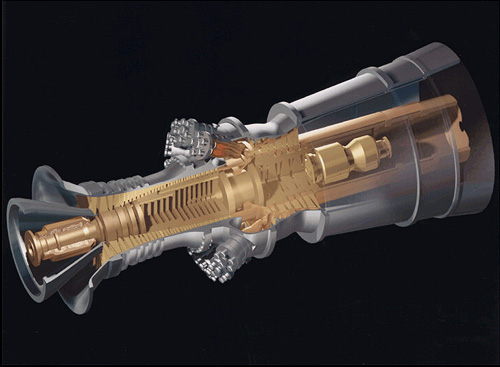
Six questions for owners, operators and lenders. See how ready the unit is for assessment and which documents to prepare.
Our assessment considers equipment identity and configuration, operating and maintenance history, preservation records, inspection findings and the items included in the transaction.
Frequency suitability, emissions requirements, refurbishment, dismantling, transport and integration are assessed for the intended destination.
Equipment information is shared with its source and verification status.
| Information | Source | Verification status |
|---|---|---|
| Equipment identity and configuration | Nameplates and OEM documentation | Confirmed on site |
| Operating and maintenance history | Control-system and maintenance records | Records review |
| Preservation records | Owner or operator layup logs | Records review and walkdown |
| Inspection findings | Borescope and condition surveys | Independent inspection |
| Items included in the transaction | Seller’s scope of supply | Inventory walkdown |
Purchase price is one part of the decision.
We compare existing-equipment options with new-build alternatives using the full scope: condition, refurbishment, logistics, installation, warranty, operating performance and commissioning.
Have a unit in mind or a requirement to fill? Offer a turbine or send a requirement.
It can, when the unit’s condition and the supply design match the load. Continuous duty, redundancy and planned maintenance are built into the configuration, often with more than one unit and with storage or grid support.
Frequency is set by the generator and, on some units, the gearbox. Changing it usually means a different generator or gearbox, or a frequency converter, so frequency fit is checked at the start.
Heavy-duty frame units, aeroderivative and industrial turbines, and combined-cycle equipment, matched to the output, duty and site of each project.
The turbine model and serial number, what is included in the sale, running hours and starts, the date of the last major inspection, preservation records, photographs and the site location.
Yes. We assess complete plants for continued operation, redevelopment or relocation, as well as individual units and packages.
It depends on condition, refurbishment scope, transport and site readiness. We set out a schedule once the unit has been inspected.
For a relevant opportunity, the next stage establishes technical fit, required diligence, transaction scope and the deployment work to be priced and agreed.