Turbines
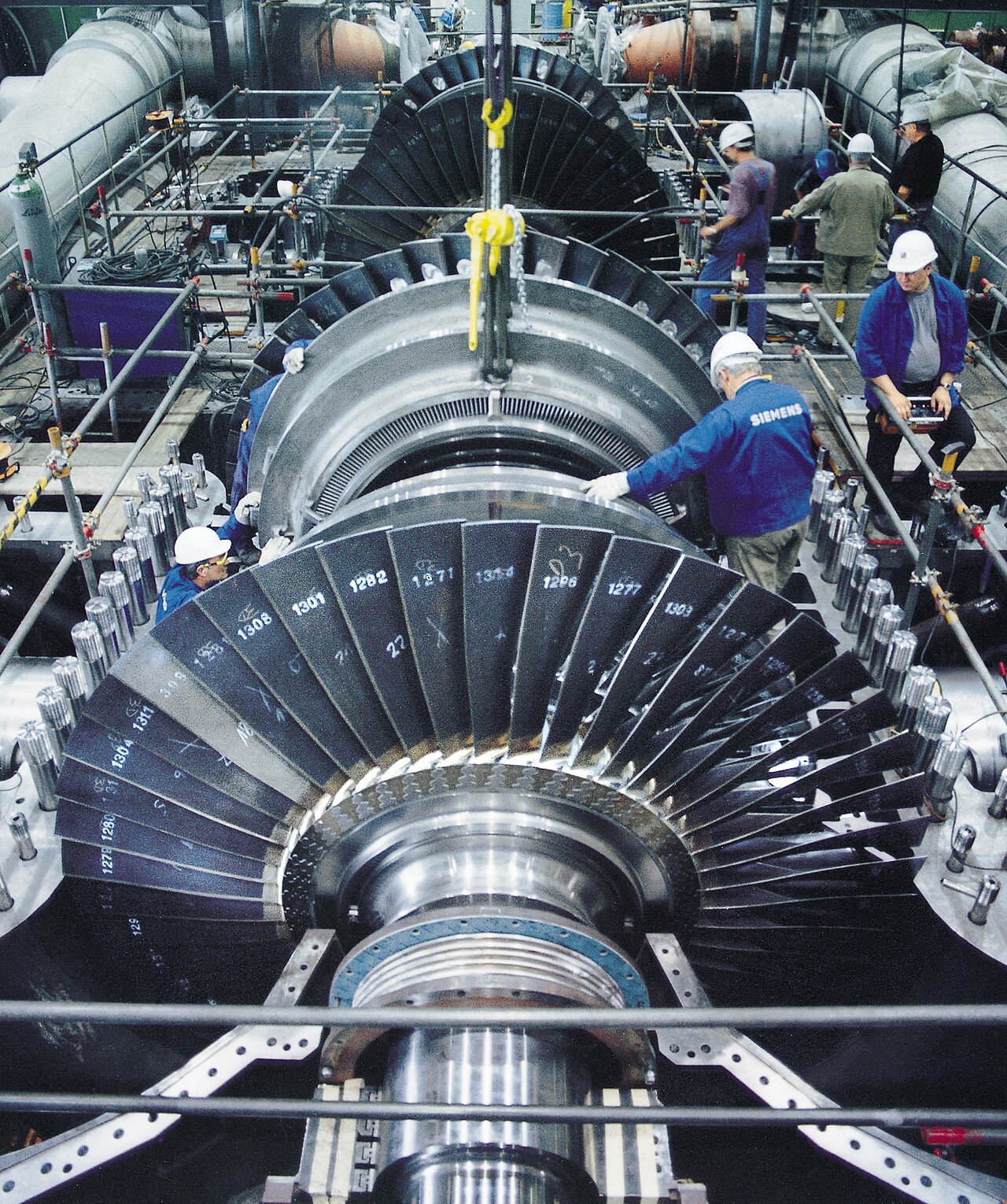
Existing and older gas turbines sourced and assessed for acquisition, refurbishment and redeployment.
Explore turbinesWe are developing AI infrastructure around existing generation assets—bringing together equipment, suitable sites and specialist expertise to support the path from power to compute.
Capable gas turbines sit idle in stranded, mothballed and retiring plants. We find them, verify their history and condition, and match them to projects that need power sooner than new equipment can be delivered.
Set the capacity, market and date you need, then compare an existing unit with new equipment and a new grid connection.
An existing unit typically reaches power in 12–24 months, against five years or more for a new heavy-duty turbine.
The United States runs a 60 Hz grid. We source 60 Hz units, or plan the generator and gearbox changes a 50 Hz unit needs.
Existing and older gas turbines sourced and assessed for acquisition, refurbishment and redeployment.
Explore turbinesGeneration options for temporary supply, long-term operation and integration with the grid.
Explore powerFacilities planned around power, cooling, connectivity and room to expand.
Explore AI campusesDedicated GPU capacity planned around your workload, location and operating requirements.
Explore computeFifteen markets across four regions. Each has its own grid, frequency and path to firm power, so our focus differs from market to market.
Bridge-to-grid and behind-the-meter gas power for AI campuses.
Off-grid gas-fired power for AI campuses in Alberta.
On-site generation for data-centre clusters short of grid capacity, such as Querétaro.
Gas-fired firm power for data-centre growth around São Paulo.
Units from retiring CCGT fleets, and on-site power for sites waiting on a grid connection.
On-site dispatchable generation for data centres connecting to the grid.
Power for the Frankfurt data-centre market, and units from reserve and retiring plants.
Heavy-duty gas turbines for utility-scale power and data-centre campuses.
Gas-fired power for large-scale AI campuses.
On-site generation for data centres facing grid shortfalls.
Sourcing idle and stranded gas turbines, and plant acquisitions through asset and insolvency sales.
Power for the Johor data-centre corridor.
Captive gas-fired power for industrial parks and data centres.
Units matched to a split grid: 50 Hz in the east, 60 Hz in the west.
Gas firming and peaking capacity for a renewables-led grid and data-centre growth.
A turbine, a generation site or an existing grid connection can anchor a new project. We value each on its condition, commercial rights and suitability for the intended use.
We identify what can be reused, what needs upgrading and what must be built—then assess the complete route to operation.
Discuss the site, facility or power requirement.
Tell us the capacity, location and target date. We will assess the fit and set out the next steps.